
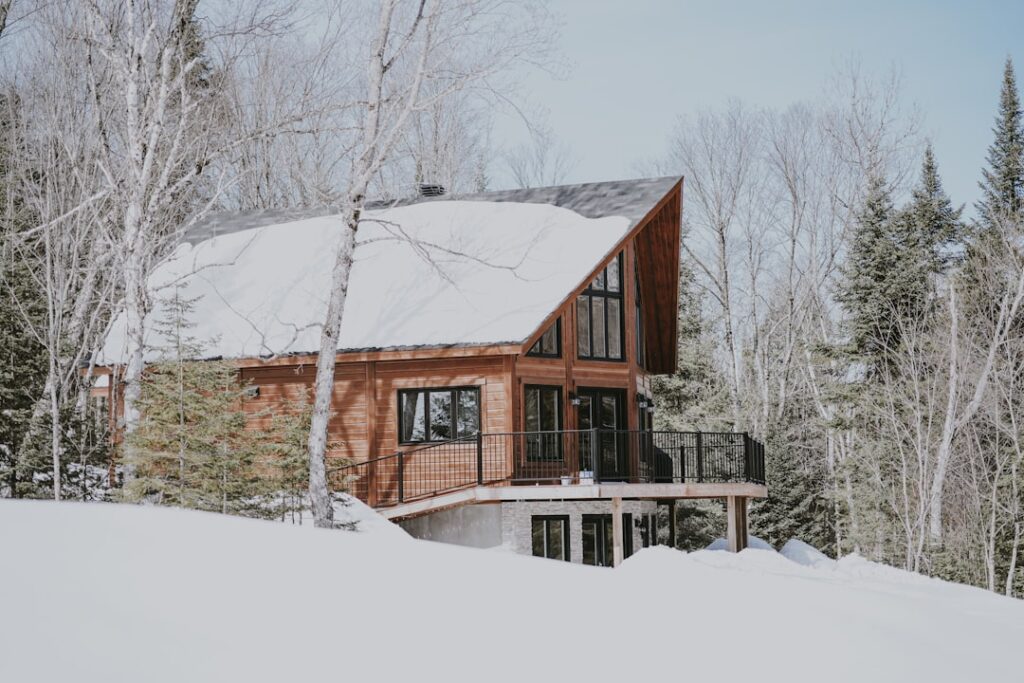
When it comes to understanding the signs of roof damage, it’s important to be vigilant and proactive in identifying potential issues. Some common signs of roof damage include missing or damaged shingles, water stains on the ceiling, sagging areas on the roof, and granules from shingles in the gutters. It’s also important to inspect the flashing around chimneys, vents, and skylights for any signs of damage or deterioration. Additionally, if you notice any signs of mold or mildew in your attic or on the underside of the roof, it could be an indication of a leak or poor ventilation.
Another important aspect of understanding roof damage is knowing when to call in a professional for an inspection. While it’s possible to spot some signs of damage from the ground, a thorough inspection by a qualified roofing contractor is essential for identifying all potential issues. A professional will be able to assess the overall condition of the roof, identify any hidden damage, and provide recommendations for repair or replacement. By understanding the signs of roof damage and knowing when to seek professional help, homeowners can take proactive steps to address any issues before they escalate into more costly problems.
Factors to Consider When Deciding Between Replacement and Repair
When faced with roof damage, homeowners must carefully consider several factors when deciding between roof replacement and repair. The age of the roof is a crucial factor to consider, as older roofs may be more prone to additional issues and may not be as cost-effective to repair. The extent of the damage is also important to assess, as minor issues may be easily repairable, while more extensive damage may warrant a full replacement. Additionally, the type of roofing material used can impact the decision, as some materials may be more durable and longer-lasting than others.
Another important factor to consider is the overall condition of the roof structure. If there are underlying issues with the roof deck or support structure, a replacement may be necessary to ensure the long-term integrity of the roof. It’s also important to consider the potential for future maintenance and repairs when making this decision. While a repair may address immediate issues, a replacement may provide a longer-term solution and reduce the need for ongoing repairs. By carefully considering these factors, homeowners can make an informed decision about whether to pursue roof replacement or repair.
Cost Comparison: Roof Replacement vs Repair
When comparing the costs of roof replacement versus repair, it’s important to consider both the short-term and long-term financial implications. While a repair may initially seem like a more cost-effective option, it’s essential to consider the potential for ongoing maintenance and repairs in the future. In some cases, a full replacement may actually be more cost-effective in the long run, as it can provide a more durable and long-lasting solution.
Additionally, homeowners should consider the potential for increased energy efficiency with a new roof. Upgrading to more energy-efficient materials during a replacement can lead to long-term savings on heating and cooling costs. It’s also important to factor in any potential insurance coverage for roof repairs or replacements. In some cases, insurance may cover a portion of the costs, making a replacement more financially feasible than initially anticipated. By carefully comparing the short-term and long-term costs of roof replacement versus repair, homeowners can make a decision that aligns with their budget and long-term financial goals.
Long-Term Benefits of Roof Replacement
While roof replacement may require a larger upfront investment, there are several long-term benefits that make it a worthwhile consideration for homeowners. One of the primary benefits of roof replacement is improved durability and longevity. A new roof can provide greater protection against weather elements and potential damage, reducing the need for ongoing repairs and maintenance. Additionally, modern roofing materials offer improved energy efficiency, which can lead to long-term savings on heating and cooling costs.
Another long-term benefit of roof replacement is increased property value. A new roof can enhance the curb appeal of a home and make it more attractive to potential buyers in the future. This can ultimately lead to a higher resale value and a better return on investment for homeowners. Furthermore, a new roof can provide peace of mind for homeowners, knowing that their home is well-protected and that they won’t have to worry about potential roofing issues for many years to come. By considering these long-term benefits, homeowners can make an informed decision about whether roof replacement is the right choice for their property.
Environmental Impact of Roof Replacement vs Repair
When considering the environmental impact of roof replacement versus repair, it’s important to weigh the potential benefits of each option. While repair may seem like a more environmentally friendly choice due to its lower material and labor requirements, it’s essential to consider the long-term implications. A full roof replacement with modern, energy-efficient materials can lead to improved energy efficiency and reduced carbon emissions over time.
Additionally, many roofing materials are recyclable, meaning that old materials from a replacement can be repurposed rather than ending up in a landfill. By choosing sustainable roofing materials and working with environmentally conscious contractors, homeowners can minimize the environmental impact of a roof replacement. It’s also important to consider the potential for increased energy efficiency with a new roof, as this can lead to reduced energy consumption and lower environmental impact over the lifespan of the roof. By carefully considering these factors, homeowners can make an environmentally responsible decision when it comes to roof replacement or repair.
Hiring the Right Contractor for Roof Replacement or Repair
When it comes to hiring a contractor for roof replacement or repair, it’s essential to do thorough research and consider several key factors. One of the most important considerations is the contractor’s experience and expertise in working with the specific type of roofing material on your home. It’s important to choose a contractor who has a proven track record of successful installations or repairs with similar materials.
Additionally, homeowners should ensure that any contractor they hire is properly licensed and insured. This provides protection for both the homeowner and the contractor in case of any accidents or issues during the project. It’s also important to request references from past clients and to review online reviews and ratings for any potential contractors. This can provide valuable insight into the quality of their work and their level of customer satisfaction.
Furthermore, homeowners should obtain detailed written estimates from multiple contractors before making a decision. This allows for a thorough comparison of costs and services offered by each contractor. By taking these steps and carefully vetting potential contractors, homeowners can ensure that they hire the right professional for their roof replacement or repair project.
Making the Decision: When to Choose Roof Replacement or Repair
Ultimately, making the decision between roof replacement and repair requires careful consideration of all relevant factors. The age and condition of the roof, the extent of damage, and the long-term financial implications are all important considerations when weighing these options. Additionally, homeowners should consider the potential for increased energy efficiency and property value with a new roof.
It’s also important to consult with a qualified roofing professional to obtain expert advice on the best course of action for your specific situation. A professional inspection can provide valuable insight into any hidden issues or potential concerns that may impact the decision. By carefully weighing these factors and seeking professional guidance, homeowners can make an informed decision that aligns with their budget and long-term goals for their home.
In conclusion, understanding the signs of roof damage is crucial for proactive maintenance and addressing potential issues before they escalate. When deciding between roof replacement and repair, homeowners must carefully consider factors such as age, extent of damage, roofing material, and long-term maintenance needs. While cost comparison is important, it’s also essential to consider the long-term benefits of roof replacement, including improved durability, energy efficiency, and property value. The environmental impact of each option should also be considered, along with hiring the right contractor for the job. Ultimately, making an informed decision about roof replacement or repair requires thorough research, careful consideration of all relevant factors, and consultation with qualified professionals in the roofing industry.


