
Rubber Roof Advantages: A Durable and Sustainable Roofing Solution
Rubber roofs, also known as EPDM roofing, have gained popularity in recent years due to their numerous advantages. This type of roofing material, made from a synthetic rubber called Ethylene Propylene Diene Terpolymer (EPDM), offers exceptional durability, energy efficiency, and eco-friendly features.
Whether for residential or commercial buildings, rubber roofs provide an excellent alternative to traditional roofing materials such as asphalt shingles or slate shingles. In this article, we will explore the various advantages of rubber roofing and why it has become a preferred choice for many.
One of the key advantages of rubber roofs is their durability. EPDM roofing systems are highly resistant to harsh weather conditions, including extreme heat, strong winds, heavy rain, and even hail. Unlike traditional roofing materials, which can deteriorate over time due to exposure to the elements, rubber roofs are designed to last for several decades.
Rubber roofs offer exceptional durability, which significantly reduces the need for frequent roof repairs or replacement, translating into long-term cost savings for homeowners and commercial building owners.
Rubber roofing materials are also known for their energy efficiency. EPDM rubber has excellent insulation properties, which help keep buildings cooler in the summer and warmer in the winter. With its ability to reflect sunlight, rubber roofs can significantly reduce the heat absorbed by the building, thereby reducing the need for excessive air conditioning and heating.
This energy efficiency not only contributes to a more comfortable indoor environment but also helps reduce energy consumption and lowers utility bills.
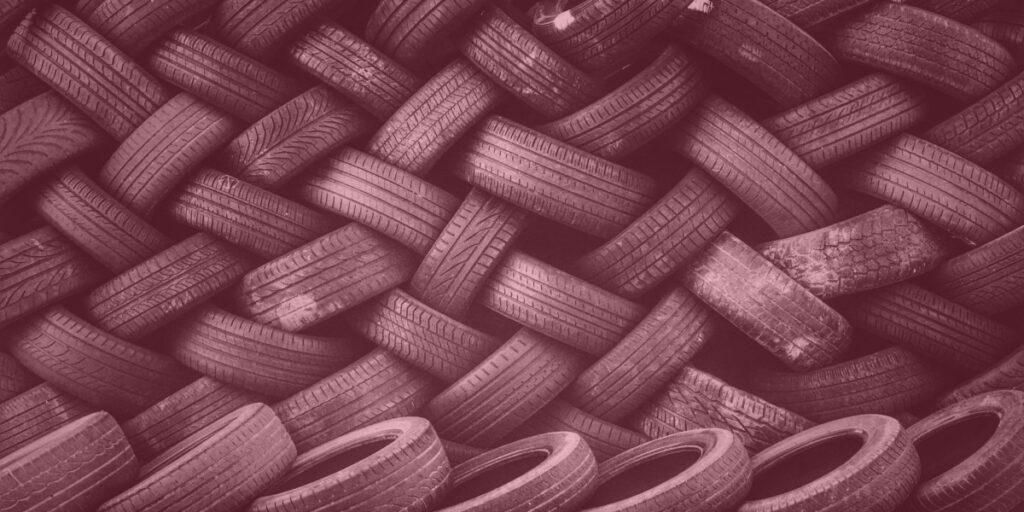
EPDM rubber roofs are also an environmentally friendly choice. Rubber is a synthetic material that can be easily repurposed from recycled materials such as old tires, making it a sustainable option. Rubber roofing materials can be manufactured using up to 85 percent recycled tires, reducing the overall demand for new rubber production.
By choosing rubber roofing, homeowners and commercial building owners can actively contribute to the reduction of waste and promote the use of recycled materials.
Another advantage of rubber roofing is its versatility. Rubber roofs can be installed on various types of roofs, including flat roofs, commercial roofs, and even residential roofs. The flexibility of EPDM rubber allows for easy installation on irregular or complex roof structures. This versatility makes rubber roofing a popular choice for architects and contractors, as it can be customized to fit any design or aesthetic preference.
Rubber roofs are available in different forms, including rubber shingles, rubber roof tiles, or a continuous EPDM roofing membrane. Rubber shingles can resemble traditional asphalt shingles or slate shingles, providing a more aesthetically pleasing appearance while maintaining the advantages of rubber roofing.
Roofing contractors also have the option to apply a liquid rubber or rubber coating to an existing roof, further enhancing its durability and extending its lifespan.
EPDM rubber roofing membranes are particularly suitable for flat roofs commonly found in commercial buildings. The seamless installation of EPDM membranes eliminates the risks of leaks and water damage, providing a reliable roofing system for years to come.
Commercial buildings, in particular, can benefit from EPDM rubber roofs due to their cost-effectiveness, easy maintenance, and ability to withstand heavy foot traffic.
Rubber roof repairs are relatively straightforward and cost-effective compared to traditional roofing materials. The EPDM rubber can be easily patched or repaired using specialized adhesive or tape. In cases where more extensive repairs are necessary, the damaged section can be replaced without having to replace the entire roof.
This simplicity of repair makes rubber roofs an attractive choice for homeowners and commercial building owners who seek hassle-free maintenance.
Rubber roofs offer numerous advantages over traditional roofing materials. EPDM roofing is durable, energy-efficient, eco-friendly, and versatile, making it an excellent choice for both residential and commercial buildings.
With its ability to endure harsh weather conditions, reduce energy consumption, and provide long-term cost savings, rubber roofing has become a preferred option for many.
If you are considering a new roof or roof replacement in Alpharetta, Atlanta, or in surrounding areas in Georgia, it is worth exploring the benefits of rubber roofing and consulting with a qualified roofing contractor to determine if this material is right for your needs.
While the merits of rubber roofs are manifold and they cater to a variety of needs, there are situations where metal roofs might have an edge for certain homeowners. Metal roofing boasts unparalleled longevity, often outlasting rubber by several decades. Additionally, metal roofs can offer better energy efficiency by reflecting solar radiant heat, potentially reducing cooling costs in warmer climates.
Their resistance to extreme weather conditions, such as heavy snowfall, also makes them a preferred choice in some regions. So, while rubber roofs present many benefits, it’s essential to recognize that metal roofs might be the optimal choice for those prioritizing lifespan, energy savings, and robust weather resistance. To learn more about metal roofs, please read our article about the advantages of metal roofs vs rubber roofs.


