
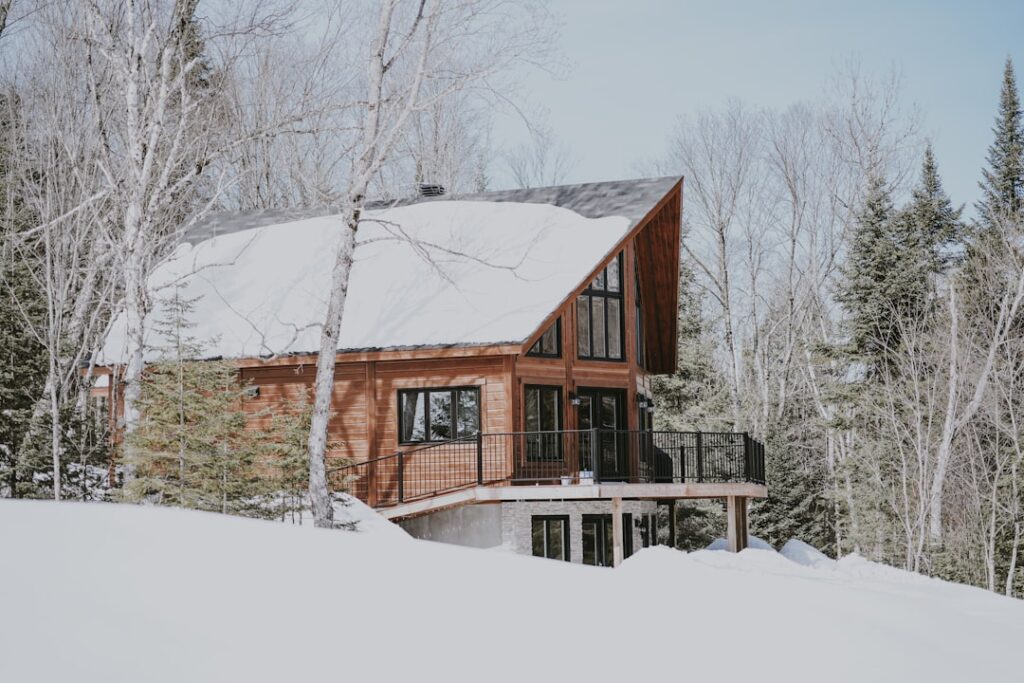
Proper roof ventilation is crucial for maintaining a healthy and comfortable home environment in Alpharetta, Georgia. Without adequate ventilation, hot air and moisture can become trapped in the attic, leading to a range of problems such as mold growth, increased energy costs, and reduced lifespan of roofing materials. In this article, we will explore the basics of roof ventilation systems, signs of poor ventilation, the benefits of installing a ventilation system, different types of ventilation systems and how to choose the right one for your home, the role of attic insulation in roof ventilation, common problems and how to fix them, DIY vs professional installation, and tips for maintaining your roof ventilation system.
Understanding the Basics of Roof Ventilation Systems
Roof ventilation refers to the process of allowing air to flow in and out of the attic space. It helps regulate temperature and moisture levels, preventing damage to the roof and the rest of the house. There are several types of roof ventilation systems, including ridge vents, soffit vents, gable vents, turbine vents, and solar-powered vents. Each type has its own features and benefits.
Roof ventilation works by creating a continuous flow of air through the attic space. Hot air rises and accumulates in the attic, and without proper ventilation, it becomes trapped. This can lead to a buildup of moisture and heat, which can cause damage to the roof structure and insulation. Ventilation systems allow hot air to escape through exhaust vents while drawing in cooler air from intake vents. This creates a cycle that helps maintain a balanced temperature and moisture level in the attic.
Signs of Poor Roof Ventilation and How to Identify Them
There are several signs that indicate poor roof ventilation in your Alpharetta home. These include excessive heat in the attic, condensation on windows or walls, musty odors in the house, peeling paint or wallpaper, ice dams on the roof, and higher than usual energy bills. To identify these signs, you can start by inspecting your attic for any visible signs of moisture or mold growth. You can also check the temperature in the attic on a hot day to see if it is significantly higher than the outside temperature. Additionally, you can monitor your energy bills to see if they have increased without any other explanation.
Ignoring poor roof ventilation can lead to a range of problems. Excessive heat and moisture in the attic can cause damage to the roof structure, insulation, and other components of the house. It can also lead to mold growth, which can affect indoor air quality and pose health risks. Additionally, poor ventilation can increase energy costs as your HVAC system has to work harder to maintain a comfortable temperature. It is important to address these issues as soon as possible to prevent further damage and ensure a healthy living environment.
The Benefits of Installing a Roof Ventilation System in Your Alpharetta Home
Installing a roof ventilation system in your Alpharetta home offers several benefits. Firstly, it improves indoor air quality by reducing moisture and preventing mold growth. Proper ventilation helps remove excess humidity from the attic, preventing condensation on windows and walls. This can help reduce the risk of respiratory issues and allergies caused by mold spores.
Secondly, a well-ventilated attic can help reduce energy costs. By allowing hot air to escape and drawing in cooler air, ventilation systems help regulate the temperature in the attic. This reduces the strain on your HVAC system, resulting in lower energy consumption and lower utility bills.
Thirdly, a roof ventilation system can increase the lifespan of your roofing materials. Excessive heat and moisture can cause shingles to deteriorate more quickly, leading to leaks and other damage. Proper ventilation helps prevent these issues by maintaining a balanced temperature and moisture level in the attic.
Lastly, a ventilation system helps prevent moisture damage throughout the house. Excess moisture in the attic can seep into the walls and ceilings, causing structural damage and promoting mold growth. By keeping the attic dry, ventilation systems help protect your home from costly repairs and health hazards.
Different Types of Roof Ventilation Systems and Their Features
There are several types of roof ventilation systems available for Alpharetta homes. Each type has its own features and benefits, and the choice depends on factors such as the size and layout of your home, climate and weather conditions, and budget considerations.
Ridge vents are installed along the peak of the roof and allow hot air to escape. They are a popular choice because they provide continuous ventilation along the entire length of the roof. Soffit vents, on the other hand, are installed under the eaves of the roof and allow fresh air to enter the attic. They work in conjunction with ridge vents to create a balanced airflow.
Gable vents are installed on the gable ends of the house and allow hot air to escape. They are effective in homes with gable roofs or when ridge vents cannot be installed. Turbine vents are powered by wind and use a spinning turbine to draw hot air out of the attic. They are a good option for homes in windy areas.
Solar-powered vents use solar energy to power a fan that draws hot air out of the attic. They are an energy-efficient option and can be used in homes without access to electricity. Each type of ventilation system has its own features and benefits, so it is important to consider your specific needs when choosing the right one for your home.
How to Choose the Right Roof Ventilation System for Your Home
When choosing a roof ventilation system for your Alpharetta home, there are several factors to consider. Firstly, you need to take into account the size and layout of your home. Larger homes may require multiple vents or a combination of different types of vents to ensure adequate airflow. The pitch of your roof and the number of attic spaces also play a role in determining the type and number of vents needed.
Secondly, you need to consider the climate and weather conditions in Alpharetta. If you live in an area with high winds, turbine vents may be a good option. If you experience hot summers, ridge vents and solar-powered vents can help keep your attic cool. It is important to choose a ventilation system that is suitable for the specific climate and weather conditions in your area.
Lastly, budget considerations are also important when choosing a roof ventilation system. Different types of vents have different costs associated with them, so it is important to determine how much you are willing to spend. It is also worth considering the long-term savings that can be achieved through reduced energy costs and increased lifespan of roofing materials.
The Role of Attic Insulation in Roof Ventilation
Attic insulation plays a crucial role in roof ventilation. It helps prevent heat transfer between the attic and the rest of the house, ensuring that the ventilation system works efficiently. Without proper insulation, hot air can seep into the living spaces, making it harder for the ventilation system to maintain a comfortable temperature.
Proper insulation also helps prevent moisture from entering the attic. It acts as a barrier against condensation and helps maintain a dry environment. This is important for preventing mold growth and protecting the structural integrity of your home.
It is important to ensure that your attic insulation is properly installed and has the right R-value for your climate. R-value measures the insulation’s resistance to heat flow, and different regions have different recommended R-values. Consulting with a professional can help you determine the right insulation for your home and ensure optimal roof ventilation.
Common Roof Ventilation Problems and How to Fix Them
There are several common problems that can occur with roof ventilation systems. One common issue is blockage or obstruction of vents. This can be caused by debris, such as leaves or animal nests, blocking the airflow. To fix this problem, you can remove the blockage and clean the vents. Regular maintenance and cleaning can help prevent this issue from occurring.
Another common problem is improper installation or sizing of vents. If the vents are too small or not properly placed, they may not provide adequate airflow. This can be fixed by consulting with a professional and ensuring that the vents are correctly installed and sized for your home.
Leaks or damage to the roof can also affect the performance of the ventilation system. If you notice any leaks or damage, it is important to address them as soon as possible to prevent further damage to the roof and the ventilation system. Consulting with a professional roofer can help identify and fix these issues.
DIY vs Professional Roof Ventilation Installation: Which One Is Better?
When it comes to installing a roof ventilation system, you have the option of doing it yourself or hiring a professional. There are pros and cons to both approaches, and the choice depends on factors such as your level of expertise, time availability, and budget considerations.
DIY installation can be a cost-effective option if you have the necessary skills and tools. It allows you to save on labor costs and gives you control over the installation process. However, it is important to note that improper installation can lead to poor performance and potential damage to your home. It is crucial to follow manufacturer instructions and guidelines when installing a ventilation system yourself.
Hiring a professional for roof ventilation installation offers several benefits. Firstly, professionals have the expertise and experience to ensure proper installation and optimal performance of the ventilation system. They can assess your specific needs and recommend the right type and number of vents for your home. Additionally, professionals have access to specialized tools and equipment that may not be readily available to homeowners.
Factors to consider when deciding between DIY and professional installation include your level of comfort with DIY projects, the complexity of the installation, and your budget. If you are unsure about your abilities or if the installation requires complex modifications to your roof, it is recommended to hire a professional to ensure a successful and efficient installation.
Maintaining Your Roof Ventilation System: Tips and Tricks for Optimal Performance
Regular maintenance is important for ensuring optimal performance of your roof ventilation system. Here are some tips and tricks for maintaining your system:
1. Clean the vents regularly: Remove any debris, such as leaves or animal nests, that may be blocking the vents. This will ensure proper airflow and prevent potential damage to the system.
2. Inspect for leaks or damage: Regularly inspect your roof and vents for any signs of leaks or damage. Addressing these issues promptly can prevent further damage to the roof and the ventilation system.
3. Check insulation: Ensure that your attic insulation is properly installed and has the right R-value for your climate. Insulation helps maintain a comfortable temperature and prevents moisture from entering the attic.
4. Monitor indoor air quality: Keep an eye out for any signs of mold growth or musty odors in your home. These can indicate poor ventilation and should be addressed promptly.
5. Consider professional maintenance: It is recommended to have a professional inspect and maintain your roof ventilation system on a regular basis. They can identify any potential issues and ensure that your system is functioning optimally.
By following these maintenance tips, you can extend the lifespan of your roof ventilation system and ensure that it continues to provide optimal performance.
Proper roof ventilation is essential for maintaining a healthy and comfortable home environment in Alpharetta, Georgia. It helps regulate temperature and moisture levels, preventing damage to the roof and the rest of the house. Signs of poor ventilation include excessive heat in the attic, condensation on windows or walls, musty odors, peeling paint or wallpaper, ice dams on the roof, and higher energy bills. Installing a roof ventilation system offers several benefits, including improved indoor air quality, reduced energy costs, increased lifespan of roofing materials, and prevention of moisture damage. There are different types of ventilation systems available, and the choice depends on factors such as the size and layout of your home, climate and weather conditions, and budget considerations. Attic insulation plays a crucial role in roof ventilation, and it is important to ensure that it is properly installed for optimal performance. Regular maintenance is also important for ensuring the longevity and efficiency of your roof ventilation system. Whether you choose to install the system yourself or hire a professional, it is important to address any issues promptly to prevent further damage and ensure a healthy living environment.
If you’re interested in learning more about roof ventilation and its importance in maintaining a healthy and efficient home, you may also want to check out this informative article on rubber roofs. Rubber is a durable and sustainable roofing solution that offers numerous benefits. To find out why rubber roofs are gaining popularity among homeowners, click here: Rubber Roof Benefits: Rubber is a Durable and Sustainable Roofing Solution.


